
Most Australians already know the thrill of a bonus round, but buying direct entry to that feature changes the maths entirely. I have opened rooms across the Asia-Pacific where bonus buy mechanics were tested in controlled environments before any public launch, and the pattern is consistent: players who understand the trigger cost, the hit frequency, and the session limits walk away with a clearer view of their bankroll. Before you tap a buy button, it helps to know how the feature actually behaves on a standard spin cycle.
How the buy feature works on the floor

When a hold and win pokie presents a bonus buy option, the game is essentially offering a fixed-price shortcut to the free spins or pick-me round. The cost is usually a multiple of the current stake, and the feature that follows drops you straight into the bonus screen without waiting for the base-game scatter to land. In my experience running pre-opening trials in Macau and Singapore, operators set those buy prices to align with the theoretical return of the feature, which means the advertised win potential is real but the path to it is compressed into one transaction rather than a longer base-game wait.
The practical detail that matters most is what happens after the buy lands. Some titles award a set number of retriggers, some lock in a multiplier, and others let the hold symbols stack for the duration of the round. I have watched players treat a buy as a guaranteed payout, which it never is. The feature still runs on the same random number generator as the rest of the game, so the buy is a paid entry, not a promise of a specific outcome. If you are weighing whether the shortcut is worth the stake multiple, the honest comparison is between the expected cost of reaching the bonus through base spins and the upfront price of the buy itself.
A quick way to think about it in plain terms: you are trading patience for certainty of entry. The trade-off only makes sense when the feature’s structure suits your style of play and you have already set a session limit that accounts for the buy price as a real cost, not a sunk investment.
| Detail | What it typically looks like |
|---|---|
| Positioning | Bonus buy as an optional shortcut, not a default spin |
| Providers | Common on hold and win titles from major slot studios |
| Bonus mechanics | Fixed-cost entry to free spins or pick rounds, often with retriggers or multipliers |
| Currencies | Local AUD pricing on compliant Australian-facing platforms |
| Registration | Standard identity checks before any real-money play |
| Mobile | Buy buttons render on responsive play, same feature rules |
| Support | Live and email channels for feature questions and account queries |
| Loyalty | Points and tier progress usually accrue on total wagers, including buys |
What to check before you press buy
Read the feature terms on the paytable
The paytable is where the buy price, the feature rules, and any cap on retriggers live. I have seen sessions go sideways because a player assumed a buy would repeat indefinitely, when the title actually limits the number of free-spin retriggers or caps the hold symbol behaviour. In two of my pre-openings, we adjusted the displayed feature summary after internal testing showed players misread the retrigger limit as an unlimited loop. The lesson stuck: treat the paytable as the rulebook, not a marketing blurb, and confirm whether the buy drops you into a round that can retrigger or one that runs to completion on its own terms.
Set a session limit that includes the buy cost
A buy is a single transaction, but it can eat into a session budget faster than a string of base spins if you keep re-entering the feature. The sensible approach is to decide your total session limit first, then treat each buy as a line item inside that limit rather than a separate gamble. I have managed properties where the most disciplined players tracked their buy spend separately from base-game spend, which made it easier to see when a session had crossed from entertainment into overexposure. No regulator or operator wants a player chasing a feature they have already paid to enter, so a clear stop point is the one control you actually own.
How this fits a longer play habit
The real question for most Australian players is not whether a buy feels exciting in the moment, but whether it fits into a longer relationship with a venue or platform. Ongoing value after any welcome offer tends to come from recurring promos, cashback, loyalty tiers, and tournament access, not from a one-off bonus buy. I have run properties where the non-gaming side – hotels, dining, shows – often made more money than the floor itself, and the same logic applies online: the repeat-play reasons are the steady perks, the event calendar, and the loyalty rewards that keep a session worthwhile beyond a single feature.
Tournaments are a good example of that marquee draw. I have hosted major poker tournaments as headline events, and the same principle carries over to pokie tournaments where leaderboard play rewards consistent wagering over a set window rather than a single lucky buy. If you are choosing where to play, look for a venue that keeps those recurring elements visible and honest. You can also read a related article on pokies with hold and spin bonus for Australian players here if you want a closer look at how hold mechanics compare across titles. For a broader view of local-facing platforms and their ongoing offers, the team at https://all-aboard-au.com/ keeps a regular update on recurring promos and loyalty structure.
Transparency matters here, and it is not a new issue. AUSTRAC pursued civil penalties against Crown and Star for money-laundering breaches, which is a reminder that compliance and player protection are not side notes – they shape how a venue operates and how much trust you can place in its processes. I asked Callum Evans, Compliance Director, Yarra Gaming Lab, for a quick view on bonus buy messaging, and he put it plainly: “A buy option should be described as a paid entry to a feature, not as a shortcut to a win, because the wording changes how players budget for it.” That line is worth keeping in mind when you are deciding whether a buy suits your session.
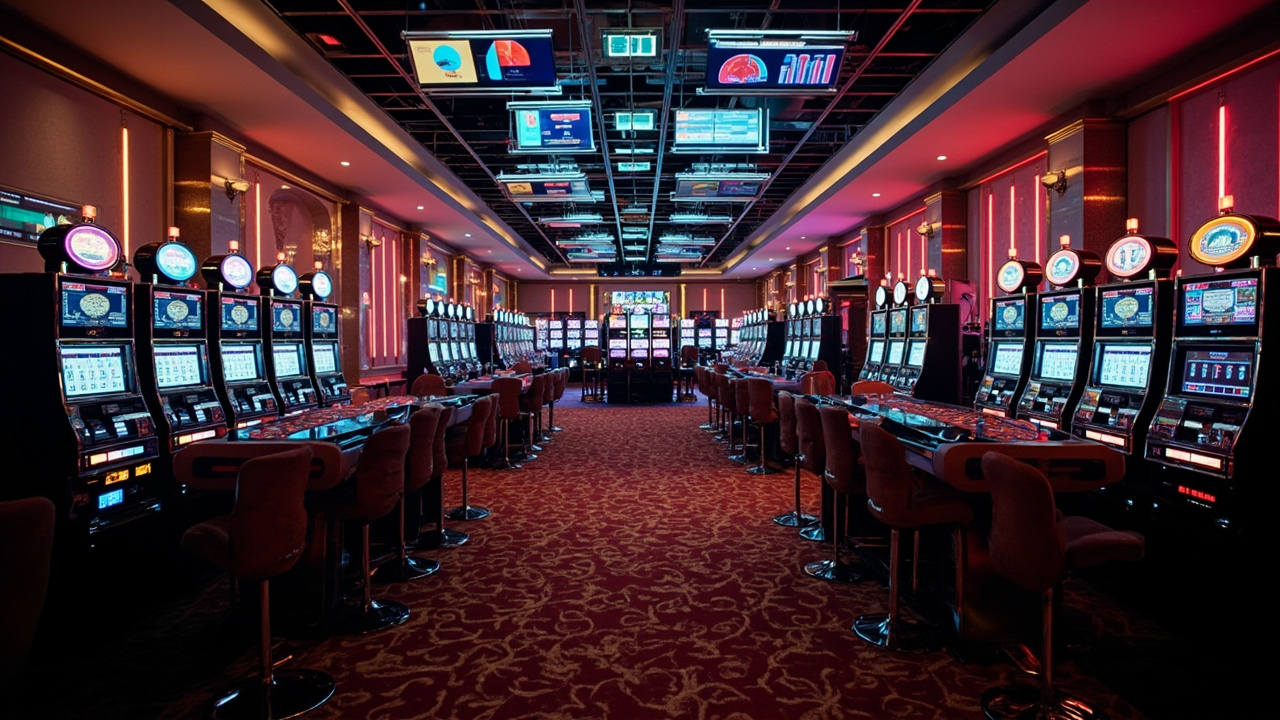
Matching the buy to your own play style
If you like the hold and win structure and you prefer to reach the feature quickly, a buy can fit a short, focused session where you have already set your limit and understand the retrigger rules. If you prefer to let the base game run and see whether the scatter lands on its own, the buy is just an extra cost you do not need. The honest verdict is that a bonus buy is a paid entry to a feature with the same randomness as any other spin, so it only makes sense when the price, the feature rules, and your session limit all line up before you press the button.