
Most Australians reckon luck is the main driver at a casino, but the maths tells a different story. The casino house edge explained properly shows how operators build a long-term advantage into every game, especially when you consider payroll operations expertise across Easygo, Stake, Kick, Twist, iGaming, and online casino environments. Knowing that edge helps you pick games that waste less of your bankroll over a session. It is not about beating the system; it is about understanding where your money goes and choosing tables that respect your budget. Smart players treat the edge like a cost of entertainment, not a mystery to solve.
For players looking to see this principle in action, the chicken road risky adventure offers a clear example of how probability shapes the gaming experience. You can explore the mechanics further at chicken road risky adventure. Understanding these dynamics helps gamblers make more informed choices about where they place their bets.
How House Edge Actually Works in Real Games
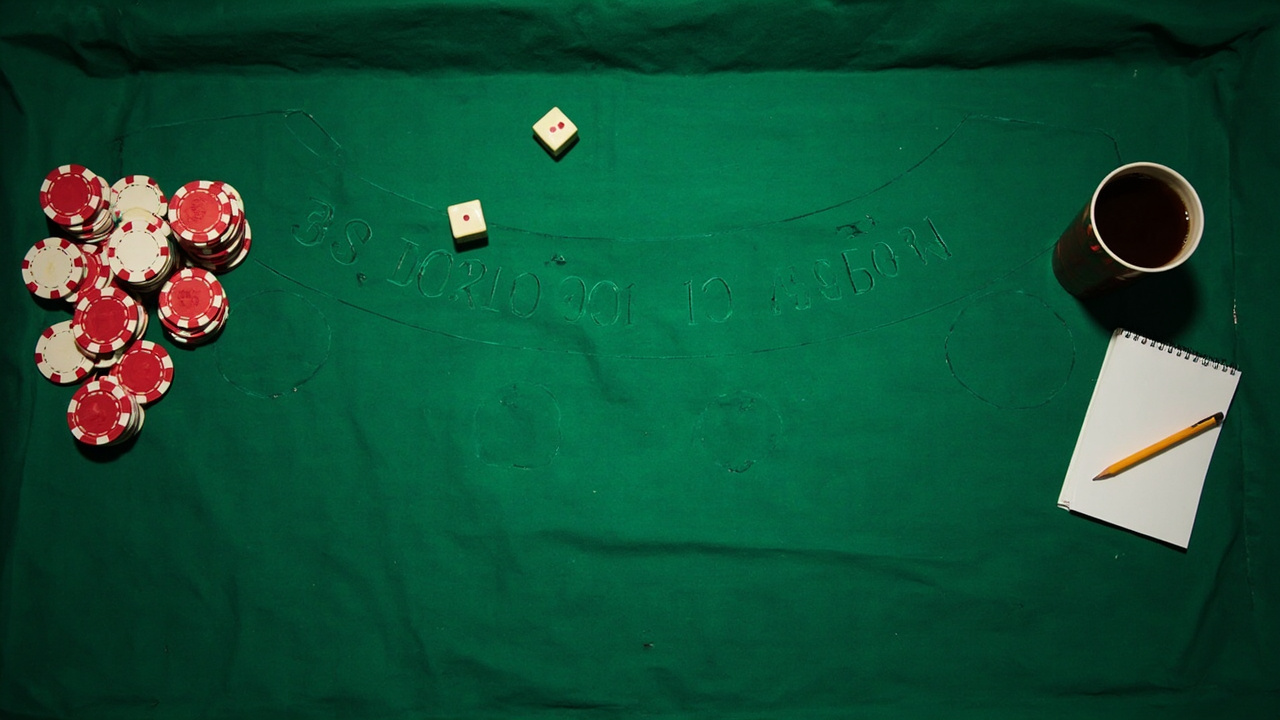
The house edge is simply the mathematical advantage the operator holds over every bet placed, expressed as a percentage of each wager the casino expects to keep over time. In roulette, that edge comes from the green zero, while in blackjack it shifts based on rules like whether the dealer hits on soft eighteen. Some games look friendly on the surface but hide a much steeper take once you read the paytable carefully. Video poker can sit around one percent with perfect strategy, yet most players miss the optimal lines and push that number higher without noticing. The trick is treating each spin or hand as a small cost rather than a path to profit, because the edge compounds quietly across hundreds of rounds. You do not need a calculator at the felt, just a clear sense of which games leak money slowly and which ones drain it fast.
Where the Edge Hits Hardest in Popular Titles
Slots usually carry the heaviest burden because their programmed return rates sit well below table games, often in the mid-to-high teens depending on the title and volatility. Table classics like blackjack and baccarat tend to be gentler on your wallet when you follow basic strategy and avoid side bets that inflate the edge dramatically. The table below compares typical edge ranges you will see across common game types, keeping in mind that actual figures shift with rule variations and specific provider settings. Yacina
| Game Type | Typical House Edge Range | What Drives the Edge |
|---|---|---|
| Slots | 3% to 15% | Paytable design, volatility, bonus feature frequency |
| European Roulette | 2.7% | Single zero on the wheel |
| American Roulette | 5.26% | Double zero adds extra losing pockets |
| Blackjack (basic strategy) | 0.5% to 2% | Rule sets, deck count, dealer actions on soft totals |
| Baccarat (banker bet) | Around 1.06% | Commission on winning banker hands |
Side bets are where the edge sneaks up on people, because the advertised jackpot looks tempting while the true odds sit far worse than the main game. A single zero wheel in a regional New South Wales club feels almost identical to the online version, but the maths does not care about the setting – it only cares about the pockets on the wheel and the rules you play by. Picking the right variant matters more than chasing a flashy theme, since a lower edge game keeps your session budget intact longer and gives you more chances to enjoy the play itself.
Ongoing Value Once the Welcome Offer Fades
A welcome bonus gets you in the door, but the real test is what happens after the first deposit bonus runs dry and the wagering requirements start eating into your balance. Ongoing promos, cashback schemes, and loyalty tiers are where operators earn repeat play, and those perks can soften the house edge slightly by returning a slice of your losses over time. A solid loyalty program might drop your effective edge by a fraction through weekly cashback, while tournament entries give you a shot at a prize pool without extra wagering pressure. The catch is that recurring offers often come with caps, expiry windows, and game restrictions that limit how much they actually help your bottom line. Treat those repeat-play reasons as a small buffer rather than a reason to chase losses, because the underlying edge never disappears just because you earned a few loyalty points.
When I have looked at payroll operations across Easygo, Stake, Kick, Twist, iGaming, and online casino environments, the pattern is clear: operators that rely on one-off bonuses tend to lose players fast, while those with steady cashback and tiered rewards keep people coming back for the long haul. That same logic applies to your own play, because a modest recurring return beats a flashy one-time deposit match that vanishes after a few spins. If you want a closer look at how those bonus mechanics work in practice, the casino bonus codes explained notes break down what to watch for before you commit to a site.

Choosing Games and Sites With Your Budget in Mind
The smartest move is matching your game choice to the session you actually want, rather than chasing a title because the graphics look busy or the jackpot ticker is moving fast. Low-edge table games suit players who want longer sessions and clearer rules, while slots work better for shorter bursts where you accept a higher edge in exchange for quicker gameplay and bigger variance swings. Payment speed and currency handling matter too, since converting between Australian dollars and foreign denominations can add friction and obscure the true cost of each bet. Registration should be straightforward, mobile play needs to hold up without glitching on the felt, and support should respond before a small issue turns into a frustrating arvo wasted on hold. None of this makes the house edge disappear, but it keeps your money working in a setting that respects your time and budget.
A packed casino floor on a busy Saturday night can feel as chaotic as the Bunnings sausage sizzle queue at midday on a Saturday, and the same noise shows up online when promos stack and game menus overflow. The calm approach is to pick one or two games you understand, check the edge and rule set first, then set a session limit you are comfortable losing before you start. That discipline does more for your bankroll than any bonus code, because the edge is always there working in the background while you decide whether the play is worth the cost.
Australian players can find the casino house edge explained across many guides, but the real value comes from treating that edge as a fixed cost and building your session around it. Keep your game selection disciplined, watch for ongoing promos that genuinely return value, and never assume a flashy bonus changes the maths under the hood. The best sessions are the ones where you understand the price of play before you sit down and walk away when the budget runs out.