
Most Australians I speak with in digital marketing want one thing from a wagering platform: predictable friction. When a Tether-based setup keeps the same unit across deposits, wagering, and withdrawals, the account maths stop wobbling every time the dollar moves. That is the quiet advantage here, and it is why I keep comparing it to a well-managed campaign calendar rather than a one-off splash post.
How the Tether Setup Changes the Account Flow

The first thing that stands out is how the currency layer sits under everything else. A Tether balance means the numbers you see at login are the same numbers you work with at the cashier, which cuts down on the mental rounding people do when AUD shifts between sessions. Registration stays straightforward, with the usual identity checks handled before any real money touches the account, and the mobile layout keeps the same menus whether you are on a phone or a laptop. Support is reachable through the in-app chat during the evening stretch, and the response times feel closer to a ticketing system than a generalised helpdesk. For players who want a Hobart arvo session to start and finish without hunting through three different currency screens, that consistency matters more than a flashy welcome screen. I have seen audiences drop off when a platform makes them re-learn the cashier every visit; here the flow stays put, which is the kind of retention detail that shows up in repeat visits rather than first-click hype.
Ongoing Value After the Welcome Offer
The welcome incentive is only the opening hand, and the real test is what keeps you returning once that first bonus has been worked through. Recurring promos land on a weekly cycle, usually tied to specific game providers rather than spread across the whole lobby, so you can plan around them instead of chasing whatever is blinking on the homepage. Cashback runs as a separate track, calculated on net losses over the previous cycle and credited back in the same Tether balance you already hold, which keeps the accounting simple. Loyalty tiers add a slow-burn layer: the higher you climb, the more often you get tournament invites and priority queueing, and those tournaments themselves are where the repeat-play reasons actually live. I treat this the way I treat a content series that earns its audience over months, not a single viral post that spikes and vanishes. A mate of mine in Hobart kept a modest weekly line going for three months because the cashback and the Friday tournament slot lined up with his own schedule; he was not chasing a jackpot, just keeping the session cost predictable. That is the kind of ongoing value that holds attention after the initial offer stops doing the heavy lifting.
Recurring Promos and Cashback
Weekly promos are tied to specific providers, which means you can read the terms and know exactly where the play counts. Cashback is calculated on net losses from the previous cycle and returned in Tether, so the balance you hold is the balance that gets topped up. The cycle dates are fixed, which helps if you like to plan sessions around a set evening rather than logging in whenever the mood hits.
Loyalty and VIP Tracks
Loyalty tiers climb based on consistent play rather than one large deposit, and the rewards lean toward access and timing. Higher tiers get earlier tournament invites and priority queueing, which matters when a competitive slot fills up fast. The VIP contact route is a dedicated line inside the same support hub, so you are not re-explaining your history every time you reach out.
Tournaments as Repeat-Play Reasons
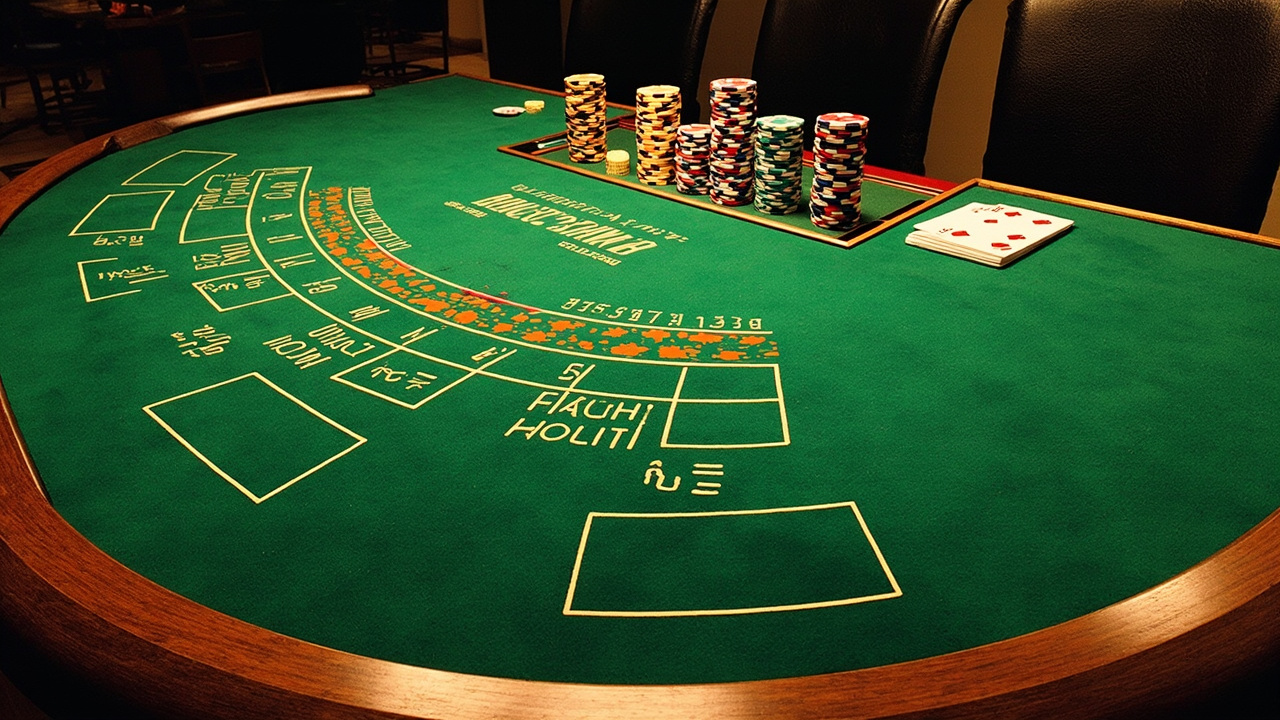
Tournaments run on a regular schedule and use the same game pool you already see in the lobby, so there is no separate learning curve to keep showing up. Prize distribution is posted before the event starts, and the entry window is wide enough that a casual session can still sit inside it. For players who return for the competition more than the cards, that regularity is the reason the account stays active. acyclovirus.com
Who This Fits Best
This setup suits players who want the account to behave the same way every time they log in, especially those who already use stablecoins elsewhere and do not want a currency switch adding another step. It also suits people who treat wagering as a planned weekly session rather than a constant refresh, because the recurring promos and tournament calendar reward a rhythm. It is less aimed at anyone chasing a big one-off bonus and then disappearing, since the value here builds through repeat cycles and the loyalty track only moves if you keep showing up. I would rather see a player pick a platform that matches their own tempo than force a platform to fit a tempo it was not built for. If your priority is a steady balance, a clear cashback cycle, and a tournament schedule you can actually plan around, the Tether layer is doing its job. No offshore casino play is licensed or regulated in Australia, so treat any platform as an overseas service and keep your own limits in place.
- Tether: a stablecoin pegged to the US dollar, used here as the account balance for deposits, wagering, and withdrawals.
- Cashback: a return of a portion of net losses from a set cycle, credited back into the same balance.
- Loyalty tier: a level earned through consistent play that unlocks access and timing benefits rather than one-off rewards.
- Tournament: a scheduled competitive event using lobby games, with posted prize distribution and a fixed entry window.